R-ARCSS Memorial Service: Remembering an Agreement That Failed the People
Opinion | By Abraham Madit Majak
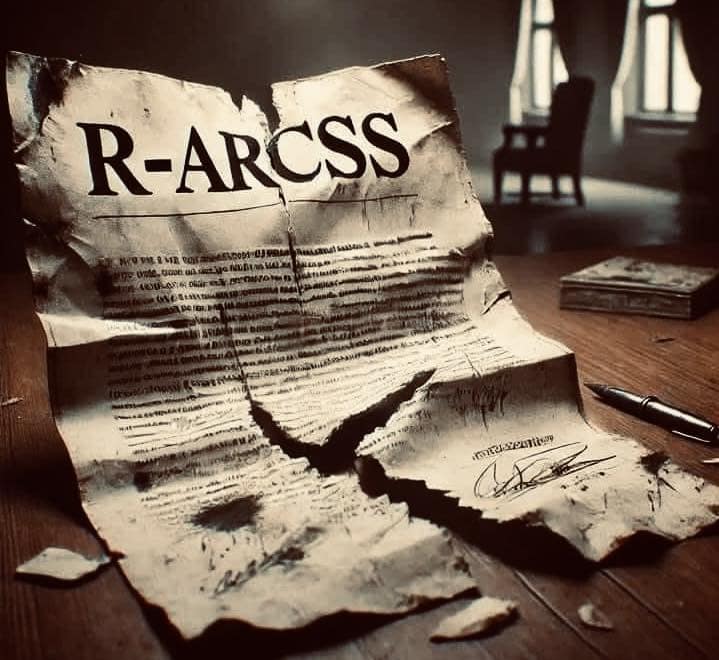
The announcement that the memorial service for the Revitalized Agreement on the Resolution of the Conflict in South Sudan (R-ARCSS) is scheduled for December 22, 2026 is both symbolic and deeply unsettling. Memorials are held for people, ideals, and moments that have passed. Holding one for a peace agreement raises a painful question: Are we officially mourning the death of South Sudan’s most ambitious promise for peace and democratic transition?
Signed in 2018, the R-ARCSS was meant to end years of devastating conflict, reunite the nation, reform state institutions, and pave the way for free and credible elections. Instead, nearly a decade later, South Sudan remains trapped in a prolonged transition marked by repeated election postponements, weak implementation, shrinking civic space, and deepening public frustration.
The decision to hold a memorial service on December 22, 2026—the very date elections were once promised—carries heavy symbolism. It suggests that the agreement has outlived its political usefulness without fulfilling its core commitments. Rather than celebrating peace dividends, citizens are being asked to reflect on missed deadlines, broken promises, and an agreement that gradually lost its binding force.
For ordinary South Sudanese, R-ARCSS became less a roadmap and more a justification for indefinite transitional governance. Key provisions—security sector reform, a permanent constitution, unified forces, accountability, and institutional independence—were either delayed or selectively implemented. The people paid the price, while political elites extended their tenure.
A memorial service should not only honor intentions but also confront hard truths. If R-ARCSS is being laid to rest, then South Sudan must honestly assess why it failed. Was it lack of political will? Weak regional and international enforcement? Or the normalization of elite consensus over popular sovereignty?
December 22, 2026 should not be reduced to a ceremonial closure of a failed chapter. It must serve as a national moment of reckoning—a reminder that peace agreements without accountability, timelines without consequences, and transitions without citizens are destined to collapse.
If South Sudan is to move forward, the end of R-ARCSS must also mark the beginning of a new political social contract—one rooted in the will of the people, not perpetual negotiations among elites. Otherwise, future generations may one day hold memorial services not just for agreements, but for the promise of the nation itself.
Author Bio
Abraham Madit Majak is a South Sudanese writer and political commentator with a strong focus on governance, peace processes, and civic accountability. He regularly contributes to public discourse on South Sudan’s political transition, the role of state institutions, and the responsibilities of leadership during critical reform and nation-building periods.