





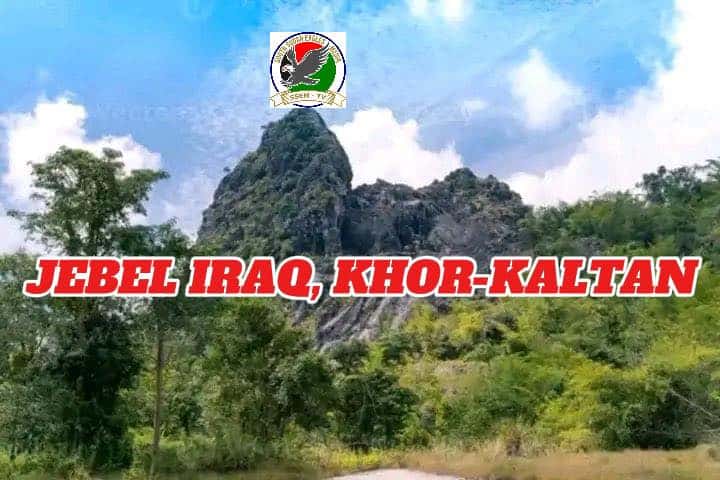
Is the Jebel Iraq Massacre Ethnic Targeting or Political Motivation? A Deadly Mix of Power, Gold, and Weak Governance
By Abraham Madit Majak
The recent killings at Jebel Iraq, also known as Khor-Kaltan, in Central Equatoria are not just another tragic headline—they are a stark warning about the dangerous direction South Sudan is heading.
With reports confirming that more than 24 civilians and 12 SSPDF soldiers were killed, and at least 23 others wounded, the attack has once again exposed the fragile and volatile nature of security in the country. Allegations linking the violence to SPLM/SPLA-IO and NAS forces only deepen concerns about the persistence of armed conflict despite ongoing peace efforts.
But the critical question remains: What is truly driving this violence?
It is tempting to reduce such incidents to ethnic hatred. Indeed, South Sudan’s history is deeply scarred by intercommunal violence. Ethnicity is often used as a tool for mobilization, fueling fear and division among communities. However, to view this massacre purely through an ethnic lens is to ignore the more complex and dangerous realities beneath the surface.
This was not just about identity—it was about power.
Armed groups continue to operate outside effective national control, maintaining parallel chains of command and competing for territorial dominance. In regions like Central Equatoria, where state authority is weak, these groups exploit the vacuum, leading to deadly confrontations.
Yet perhaps the most overlooked driver of this violence is economic competition.
Jebel Iraq is not just any location—it is a gold mining site. In a country where formal economic opportunities are scarce, gold has become both a lifeline and a curse. Without proper regulation, mining areas have turned into zones of lawlessness, where armed actors fight for control, taxation, and profit.
This is the real crisis: when natural resources are left ungoverned, they fuel conflict instead of development.
The killings at Khor-Kaltan are therefore not the result of a single cause. They are the outcome of a deadly combination—ethnic tension, political fragmentation, and unregulated economic exploitation.
If South Sudan is to break this cycle, urgent action is required.
The government must assert control over mining regions and establish clear regulatory frameworks for resource extraction. Security forces must be strengthened and unified to prevent armed groups from operating freely. At the same time, there must be genuine efforts toward accountability—those responsible for such atrocities must face justice, regardless of their affiliation.
Equally important is the need for community dialogue. Without rebuilding trust among local populations, even the strongest policies will fail to bring lasting peace.
The tragedy at Jebel Iraq is more than an isolated incident. It is a reflection of systemic failure—of governance, security, and economic management.
If ignored, it will not be the last.
South Sudan stands at a crossroads. It can either confront these underlying issues with courage and reform, or continue down a path where gold is valued more than human life.
The choice is clear. The consequences of inaction are already being written in blood.
Opinions expressed in articles published by RSSVP are those of the individual authors and do not necessarily represent the views of Rescue South Sudan Village People. RSSVP assumes no responsibility for the accuracy, validity, or reliability of claims made by contributors.