The Defection of Former Deputy CDF Gen. Wilson Deng Wek: A Serious Blow to President Kiir’s Government
By Abraham Madit Majak
Independent political analyst on South Sudan
The defection of Former Deputy Chief of Defence Forces (CDF) Gen. Wilson Deng Wek and his announcement of a new rebel movement is not merely another episode in South Sudan’s recurring cycle of armed opposition. It represents a profound political indictment of President Salva Kiir’s government and exposes the deep structural failures that continue to undermine the country’s stability. Coming from a man who once stood at the very center of the military and diplomatic establishment, this development signals a growing crisis of legitimacy within the ruling system.
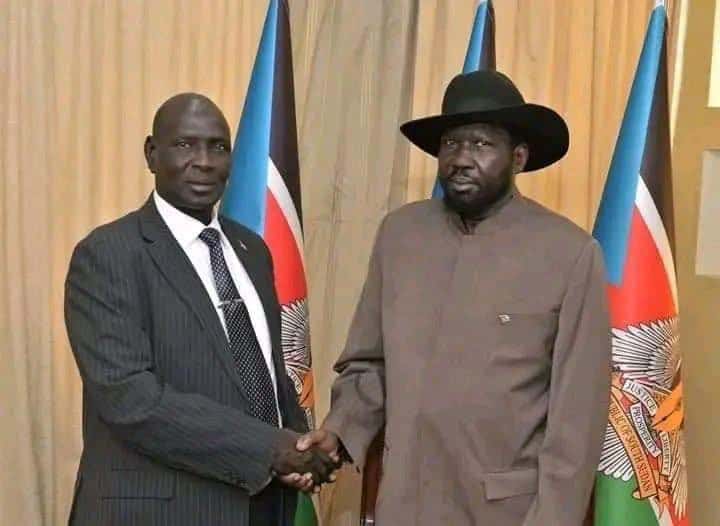
Gen. Wilson Deng Wek (Kuoirot) is not an ordinary dissident. He served as the Deputy Chief of Staff for Operations of the South Sudan People’s Defence Forces (SSPDF) and later as South Sudan’s Ambassador to the Republic of South Africa—positions that placed him at the heart of both the country’s security architecture and foreign policy. His decision to break away from the government and form a new rebel movement underscores a level of internal disillusionment that can no longer be dismissed as personal ambition or external manipulation.
In announcing the formation of the National Uprising Movement/Army (NUM/A), Gen. Deng stated that the group aims to bring political change to South Sudan. He accused President Kiir’s administration of prolonged mismanagement, failure to implement meaningful reforms, and an inability to provide effective leadership. According to Deng, the creation of NUM/A is driven by what he described as an urgent need for a new national direction, arguing that the current leadership has exhausted its mandate and is no longer capable of leading the country toward peace, stability, and sustainable development.
These accusations are not new, but their source makes them especially damaging. For years, President Kiir’s government has relied on militarization, patronage networks, and repression to maintain control. Rather than addressing grievances through inclusive governance, political reform, and genuine national dialogue, the regime has consistently responded with elite reshuffles, dismissals, and coercion. This approach has neither resolved conflicts nor strengthened institutions; instead, it has deepened mistrust and accelerated internal fragmentation.
Gen. Deng’s defection directly undermines one of the government’s most persistent narratives—that stability prevails within the armed forces and that armed opposition groups are marginal, fragmented, or driven by external interests. His move exposes this claim as increasingly hollow. Resistance is now emerging from within the system itself, from senior figures who understand the inner workings of the state and have witnessed its failures firsthand.
Militarily, the formation of a new rebel movement led by a former top commander carries serious implications. Even if NUM/A does not immediately control significant territory, its potential to attract disgruntled officers, sidelined politicians, and marginalized communities should not be underestimated. South Sudan’s history is filled with rebellions that began with limited capacity but grew rapidly once they tapped into widespread grievances and public frustration with the state.
Politically, this development marks yet another challenge to the already fragile transitional government. It highlights the bankruptcy of President Kiir’s leadership approach since independence—an era defined by broken promises, repeated conflicts, economic collapse, and institutional decay. Peace agreements have been treated as survival tools rather than genuine frameworks for national transformation. Their selective and insincere implementation has left the root causes of conflict unresolved, ensuring that violence remains a recurring feature of the political landscape.
The government’s continued reliance on force to manage political disputes has only normalized instability. Gen. Deng’s move reinforces a harsh reality: military solutions do not generate political legitimacy. Instead, they produce resentment, rebellion, and cycles of violence that trap the country in perpetual crisis. Every new armed movement is not simply a security threat but a symptom of profound governance failure.
Moreover, the regime’s habit of dismissing defectors as traitors or power-hungry individuals ignores an uncomfortable truth—many of these figures were once pillars of the very system they now oppose. Their defections raise serious questions about corruption, exclusion, ethnic favoritism, and the shrinking space for honest dissent within government institutions.
For ordinary citizens, the consequences are devastating. Each new rebellion increases the likelihood of displacement, insecurity, and economic suffering. The people of South Sudan, who overwhelmingly desire peace and stability, continue to bear the cost of elite power struggles and leadership failure. The emergence of NUM/A further underscores how far the country remains from the hopes and promises of independence.
Ultimately, Gen. Wilson Deng Wek’s defection and the formation of the National Uprising Movement/Army should be seen as a warning—not only to President Kiir but to the entire political elite. It signals that the current path is unsustainable. Without genuine reforms, inclusive dialogue, accountability, and a decisive break from militarized politics, South Sudan risks deeper fragmentation and prolonged instability.
Whether NUM/A succeeds or fails militarily is almost secondary. The political damage has already been done. Gen. Deng’s defection stands as a powerful symbol of internal collapse and a serious blow to President Kiir’s government—one that exposes the urgent need for a new political vision centered on dialogue, reconciliation, and genuine democratic transformation.
Author Bio
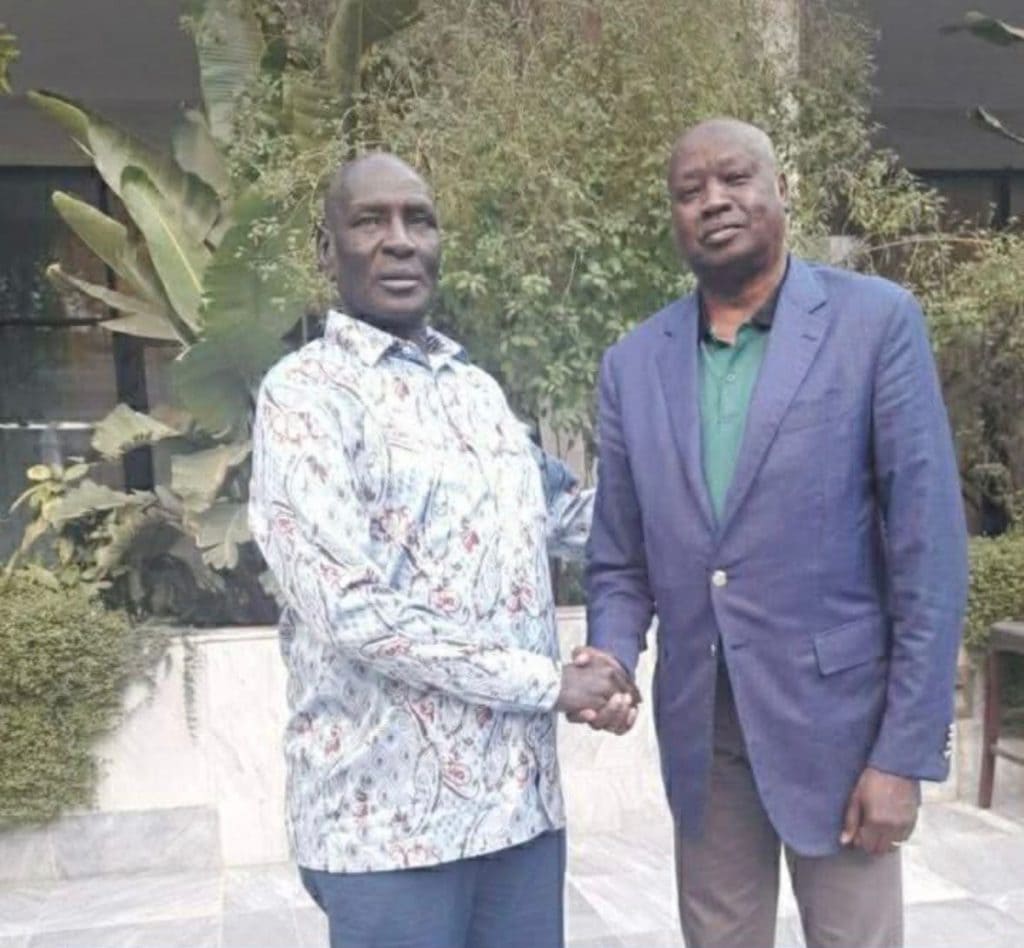
Abraham Madit Majak is a South Sudanese writer and political commentator with a strong focus on governance, peace processes, and civic accountability. He regularly contributes to public discourse on South Sudan’s political transition, the role of state institutions, and the responsibilities of leadership during critical reform and nation-building periods.